Sports guide
Mastering NBA Closeouts: A Guide to Perimeter Defense
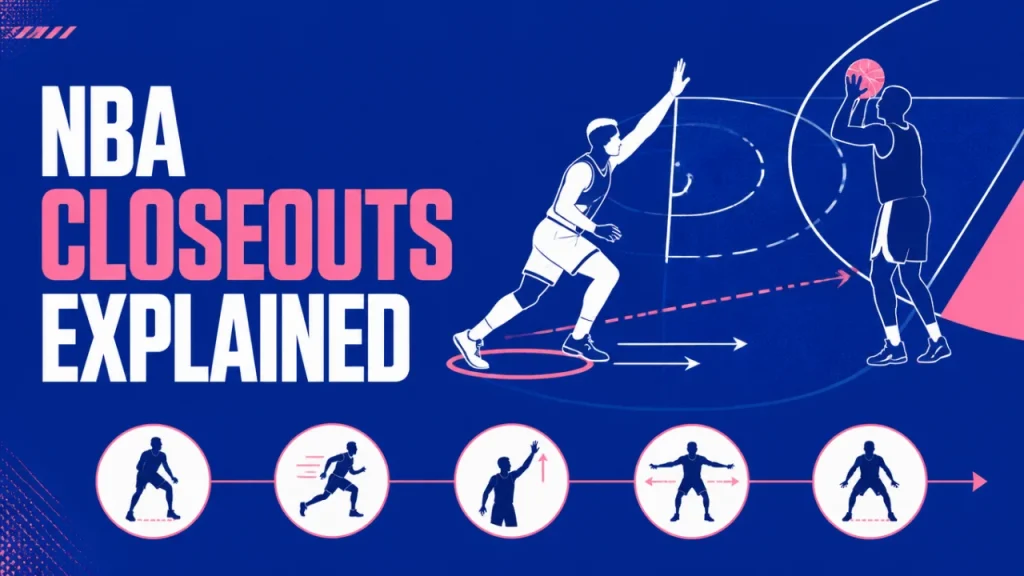
In basketball, especially in the NBA, a ‘closeout’ is a fundamental defensive action where a defender rapidly approaches an offensive player who has just received the ball on the perimeter. The primary goal of an effective closeout is to contest a potential jump shot without allowing the offensive player to easily drive past them towards the basket. It’s a delicate balance of speed, control, and anticipation.
The Art of the Closeout Approach
The initial approach is critical for a successful closeout. Defenders must cover ground quickly to reduce the shooter’s time and space, but they cannot sprint blindly. A well-executed approach involves a controlled burst of speed, transitioning into smaller, choppy steps as they get closer to the offensive player. This deceleration is vital for maintaining balance and readiness.
Approach Speed and Angle
- Controlled Sprint: The defender starts with a quick sprint to close the distance. This initial speed puts pressure on the shooter.
- Choppy Steps: As the defender gets within a few feet, they switch to short, quick, choppy steps. This allows for immediate changes in direction and helps avoid overrunning the offensive player.
- Angle of Approach: Defenders often approach at a slight angle, aiming to cut off a potential driving lane while still being in a position to contest a shot. A common strategy is to ‘run them off the line,’ forcing the offensive player towards the baseline or into help defense.
Maintaining Balance and Ready Stance
Once the defender closes the gap, maintaining a balanced and athletic stance is paramount. This ready position allows them to react to the offensive player’s next move, whether it’s a shot, a pass, or a drive. Poor balance can lead to fouls, easy blow-bys, or an inability to contest shots effectively.
Key Elements for Balance
- Low Stance: Knees bent, hips low, and back straight. This athletic posture enables quick lateral movements.
- Weight Distribution: Weight should be evenly distributed on the balls of the feet, not flat-footed or leaning too far forward or backward.
- Hand Positioning: Hands should be up and active, ready to deter a shot or disrupt a pass. One hand might be higher to contest the shot, while the other is lower to discourage a drive.
Contesting the Shot Effectively
The ultimate goal of a closeout is to make the offensive player’s shot as difficult as possible without fouling. This involves proper hand placement and timing, aiming to affect the shooter’s vision and release point.
Techniques for Shot Contesting
- High Hand: The defender raises one hand high, extending it towards the shooter’s release point without making contact. The goal is to alter the shot arc or force a quicker, less comfortable release.
- No Foul: It’s crucial to contest without jumping into the shooter or making body contact, which would result in a shooting foul. Maintaining verticality is key.
- Staying Grounded: Often, defenders will stay on the ground to contest, ensuring they are not susceptible to pump fakes and can recover if the offensive player drives.
Avoiding the Drive: Defensive Principles
While contesting the shot, defenders must simultaneously prepare for the possibility of a drive. Preventing a clear path to the basket is just as important as shot contesting. This requires anticipation and quick lateral movement.
Preventing the Drive
- Force Direction: Defenders typically try to ‘force’ the offensive player in a specific direction, often towards the baseline or into waiting help defenders, rather than allowing a straight-line drive to the middle of the court.
- Lateral Quickness: If the offensive player attempts to drive, the defender must use their lateral quickness to slide with them, staying between the offensive player and the basket.
- No Crossover Bites: Defenders must resist biting on pump fakes or hesitation moves that could create an open driving lane. Patience and discipline are vital.
Hypothetical Example of a Closeout
Imagine a defender sprinting out to an opponent catching the ball on the wing. The defender covers the initial distance quickly, then chops their steps as they get close. They arrive with a high hand to contest a potential jump shot, but their body is balanced and low, ready to slide if the opponent attempts a drive. By forcing the opponent towards the baseline, the defender limits their options and either forces a tough shot or a contested drive into help defense.
Limitations and Challenges
Even with perfect technique, closeouts present challenges. Elite shooters can still make contested shots, and crafty drivers can exploit even slight defensive imbalances. The constant threat of both a shot and a drive makes the closeout one of basketball’s most demanding defensive maneuvers.
Related reading: latest scores.
AI-generated illustrative image. It does not depict a real match.